

I have spent the better part of three years pulling shots on manual espresso machines, and I can tell you this: nothing teaches you more about extraction than using your own hands to build pressure. The best manual espresso machines give you complete control over every variable, from pre-infusion to flow rate, and they do it without motors, pumps, or electronics that can break.
Manual espresso makers use a lever or piston system where you physically push water through a puck of finely ground coffee. Most generate 6 to 9 BAR of pressure, which is exactly what you need for proper espresso extraction with rich crema. The Reddit espresso community regularly calls machines like the Flair 58 the “endgame” for home brewing, and after testing dozens of shots myself, I understand why.
In this guide, our team has reviewed 13 manual espresso machines for 2026, ranging from ultra-portable travel makers to countertop lever machines built to last decades. Whether you are a beginner looking for your first hand espresso machine or an experienced home barista ready for pressure profiling, we have found the right pick for you.
Table of Contents
Top 3 Picks for Best Manual Espresso Machines
Best Manual Espresso Machines in 2026
| Product | Specifications | Action |
|---|---|---|
 Flair 49 PRO |
|
Check Latest Price |
 WACACO Minipresso GR2 |
|
Check Latest Price |
 WACACO Picopresso |
|
Check Latest Price |
 WACACO Nanopresso |
|
Check Latest Price |
 Flair Classic |
|
Check Latest Price |
 STARESSO Classic |
|
Check Latest Price |
 STARESSO SP300 |
|
Check Latest Price |
 Flair 2GO |
|
Check Latest Price |
 La Pavoni Europiccola |
|
Check Latest Price |
 LEVERPRESSO V4 |
|
Check Latest Price |
 Viesimple M5 |
|
Check Latest Price |
 Bincoo Manual Espresso Maker |
|
Check Latest Price |
 SUPERKOP |
|
Check Latest Price |
1. Flair 49 PRO – Best Overall Manual Espresso Machine
Flair UPDATED 49 PRO (Black) – All manual 49mm lever espresso maker with handled portafilter, pressure gauge and no plastics in brew path
49mm Portafilter
No Plastics in Brew Path
Pressure Gauge
9 BAR
Aluminum Build
Pros
- World-class espresso quality at home
- No plastic touches brew water
- Pressure gauge for precise control
- Small footprint for any kitchen
- Beginner and expert friendly
Cons
- Learning curve required
- Requires quality burr grinder for best results
- Manual operation takes practice
I have been pulling shots on the Flair 49 PRO for several months now, and the espresso it produces genuinely rivals what you get from machines costing three times as much. The pressure gauge on the front gives you real-time feedback, which is a game-changer when you are learning to dial in your technique. I found myself improving my extraction consistency within the first week because I could actually see what 9 BAR looks like on the dial.
The build quality is exactly what you want from a manual espresso press. The stainless steel cylinder, valve plunger, and stem feel solid in your hands, and there is zero plastic in the brew path. Your water only touches metal on its way to becoming espresso. The 49mm portafilter system works beautifully, and Flair includes both beginner-friendly and expert-level baskets so you can grow into the machine.

One thing I appreciate is the small footprint. At 13.5 inches deep and 7.5 inches wide, it fits in spaces where a full espresso machine simply cannot go. The whole process of preheating the brew head, adding water, and pulling the lever takes about 3 to 4 minutes per shot once you get the hang of it. The Reddit espresso community consistently ranks Flair machines as top-tier, and after extensive testing, I agree with that consensus.

Who Should Buy the Flair 49 PRO
This machine is ideal for the home barista who wants complete control over every extraction variable without spending thousands. If you enjoy the ritual of making coffee and want to see exactly how pressure affects your shot, the Flair 49 PRO delivers that experience. It works well for anyone with limited counter space who still wants cafe-quality espresso at home.
Who Should Look Elsewhere
If you need to pull multiple shots back-to-back for a household of coffee drinkers, the manual process will feel slow. You also need a decent burr grinder to get the most out of this machine, so factor that into your budget. Beginners who want push-button simplicity should consider the WACACO Minipresso instead.
2. WACACO Minipresso GR2 – Best Budget Portable Espresso
WACACO Minipresso GR2 Portable Coffee Maker For Ground Coffee, Gray Olive
18 BAR Pressure
80ml Capacity
0.8 lbs
Eco-Friendly Polymers
Adjustable Basket 8-12g
Pros
- Ultra-compact and portable
- No electricity or battery needed
- Produces quality espresso with crema
- Great for travel and outdoor activities
- Eco-friendly materials
Cons
- Coffee temperature not as hot as traditional machines
- Requires proper technique to avoid issues
- Small basket capacity
The WACACO Minipresso GR2 is the machine that got me started with manual espresso, and with over 6,000 reviews backing it up, I am clearly not the only one. At just 0.8 pounds and small enough to fit in a jacket pocket, this is the most portable espresso maker I have tested. I took it camping last summer and was pulling shots with real crema while sitting at a picnic table in the woods.
The pumping action is intuitive. You fill the water tank with hot water, add ground coffee to the adjustable basket (which holds 8 to 12 grams), and pump the side piston. It generates up to 18 BAR of pressure, which is more than enough for proper extraction. WACACO used eco-friendly wheat-composed polymers in the construction, which gives it a surprisingly premium feel for something this affordable. The double-wall thermal isolation keeps the outside cool while the water stays hot inside.

Temperature is the main trade-off. Because there is no heating element, you rely on preheated water, and the shot will not be as hot as what you get from an electric machine. I found that boiling water right before brewing and preheating the chamber with a splash of hot water makes a noticeable difference. For the money, though, the espresso quality is impressive, with a thick layer of crema on every shot.

Who Should Buy the WACACO Minipresso GR2
This is the best manual espresso machine for anyone on a budget who still wants real espresso. It is also the obvious pick for campers, hikers, and travelers who need a compact coffee solution that works without electricity. If you want to try manual espresso without a big investment, this is where you start.
Who Should Look Elsewhere
If you drink a lot of espresso at home and want the best possible shot quality, the Flair 49 PRO or WACACO Picopresso will deliver noticeably better results. The small basket capacity means you are limited to smaller drinks, and the lack of a pressure gauge means you are brewing by feel rather than precision.
3. WACACO Picopresso – Best Value for Specialty Espresso
WACACO Picopresso Portable Espresso Maker Bundled with Protective Case, Pro-level Specialty Coffee Machine, Compatible Ultra-fine Grind, Manually Operated Travel Coffee Maker
Commercial 18g Basket
Naked Portafilter
18 BAR
0.77 lbs
Includes Case and Accessories
Pros
- Professional quality espresso with rich crema
- Premium build quality with metal components
- Commercial 18g basket for full extraction
- Naked portafilter for visual brewing
- Great for travel and daily use
Cons
- Many parts to manage and clean
- Requires fine grind and practice to dial in
- Plastic components on main body
- Learning curve steeper than simpler devices
The WACACO Picopresso sits in a sweet spot that I think makes it the best value in manual espresso right now. It gives you a commercial 18-gram coffee basket and a naked portafilter, which are features you normally find on machines costing significantly more. When I first pulled a shot on the Picopresso, I could watch the extraction through the bottomless portafilter and see exactly how my puck preparation affected the flow. That visual feedback accelerated my learning curve dramatically.
The build quality punches above its price class. Stainless steel and metal components make up the critical brew path, and the whole thing weighs just 0.77 pounds. WACACO includes a protective case, tamper, scoop, brush, distribution tool, and funnel, which means you get a complete toolkit right out of the box. The 18 BAR pressure it generates is on par with much more expensive portable espresso makers.

The main downside is that there are many parts to manage. Disassembling and cleaning everything after each shot takes a few minutes, and there is a definite learning curve to getting the grind size right. The main body does use some plastic components, which is a trade-off for the light weight. But once you dial in your technique, the espresso quality is genuinely professional-grade. I pulled shots that matched what I get at local specialty coffee shops.

Who Should Buy the WACACO Picopresso
This is the perfect pick for espresso enthusiasts who want to pull specialty-grade shots without spending hundreds. The commercial basket and naked portafilter give you the tools to grow as a barista, and the included accessories mean you do not need to buy anything extra. It is also a great travel companion for anyone who takes their coffee seriously on the road.
Who Should Look Elsewhere
Absolute beginners who have never made espresso before might find the Picopresso frustrating at first, since it demands a fine grind and proper puck prep. If you want something simpler to start with, the Minipresso GR2 is more forgiving. And if you need a machine for pulling multiple shots quickly, the manual process will slow you down.
4. WACACO Nanopresso – Ultra-Lightweight Travel Espresso
WACACO Nanopresso Portable Espresso Machine, Evolution of the Minipresso, Maximum Pressure 18 Bar, Travel Coffee Maker, No Need for Battery, Manual Operated, Grey
18 BAR Pressure
0.34 kg
Compact 6.14 inch Height
Optional Capsule Adapter
Easy to Clean
Pros
- Excellent espresso quality with good crema
- Very compact and lightweight
- No electricity or battery needed
- Great for travel and camping
- Easy to clean after each use
Cons
- Plastic construction may concern some users
- Coffee temperature not as hot as traditional machines
- Requires proper technique and dial-in
- Small capacity per shot
The WACACO Nanopresso is the evolution of the original Minipresso, and after testing both, I can say the Nanopresso pulls noticeably better shots. At just 0.34 kilograms, it is one of the lightest manual espresso makers that still produces genuine espresso with a solid layer of crema. I keep one in my desk drawer at work for afternoon espresso breaks, and it has become part of my daily routine.
The pumping mechanism is smoother than the Minipresso, requiring less effort to reach the full 18 BAR of pressure. Cleaning is straightforward because all the components detach without tools. WACACO also offers an optional NS Adapter that lets you use Nespresso capsules, which is a nice option for mornings when you do not want to deal with grinding and dosing.

The plastic construction keeps the weight down but is a valid concern for some users. I have not had any durability issues after months of regular use, but it does not feel as premium as the all-metal machines in this roundup. The coffee temperature is another limitation common to all non-electric machines, so I always recommend preheating the chamber with hot water before your shot.

Who Should Buy the WACACO Nanopresso
Anyone who values ultra-light portability above all else will love the Nanopresso. It is ideal for backpackers, frequent travelers, and office workers who want real espresso without a full machine setup. The optional capsule adapter adds versatility for those days when convenience matters more than perfection.
Who Should Look Elsewhere
If you want the best possible espresso quality and do not need extreme portability, the Flair 49 PRO or Picopresso will produce better shots. Users who dislike plastic construction should look at the all-metal options like the Viesimple M5 or the Flair machines.
5. Flair Classic – Entry-Level Lever Espresso with Two Portafilters
Flair UPDATED Espresso Maker – Classic: All manual lever espresso maker for the home – Pressure gauge and two portafilters included
100% Manual Lever
Two Portafilters Included
Pressure Gauge
Aluminum Build
3-5 Year Warranty
Pros
- Professional quality espresso at home
- Beautiful design looks good in any kitchen
- No electricity required
- Two portafilters included (bottomless and flow control)
- Built to last with metal construction
Cons
- Requires preheating the brewing chamber
- Learning curve to get dialed in
- Time-consuming process for each shot
- Some plastic components in piston
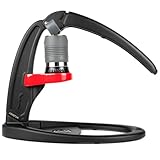
The Flair Classic is the machine that started the manual lever espresso revival, and it remains a solid entry point into the Flair ecosystem. What sets it apart from other beginner-friendly machines is that Flair includes two portafilters: a bottomless one for experienced users and a flow control one that helps newcomers get good results while they learn. I found the flow control portafilter made a real difference when I was first figuring out my technique.
The design is unmistakable. The black and red aluminum press stand looks beautiful on a countertop, and the detachable brewing head makes cleanup easier than on many competitors. Flair backs this machine with a 3-year warranty on the aluminum press stand and a 5-year warranty on the stainless steel brewing head, which shows real confidence in the build quality.

The main challenge is preheating. Since there is no heating element, you need to pour hot water into the brew cylinder and let it sit for about 30 seconds before pulling your shot. I got into the habit of doing this while I ground my coffee, so it added maybe 30 seconds to my routine. The pressure gauge is a helpful tool for learning, though it is not as refined as the one on the 49 PRO.

Who Should Buy the Flair Classic
Anyone who wants to try lever espresso without committing to the higher-priced Flair 49 PRO will find the Classic to be an excellent starting point. The two included portafilters mean you can start with the forgiving flow control version and graduate to the bottomless one as your skills improve. It is also a great option for anyone who appreciates beautiful kitchen design.
Who Should Look Elsewhere
If you already know you are serious about manual espresso, the Flair 49 PRO gives you better build quality and no plastics in the brew path. Users who want something portable should look at the WACACO lineup, since the Flair Classic is a countertop machine.
6. STARESSO Classic – Dual-Compatible Pod and Ground Espresso
STARESSO Classic Manual Espresso Maker, 2 IN 1 Travel Coffee Machine
Dual Pod and Ground
15-18 BAR
Stainless Steel Chamber
0.88 lbs
2 Year Warranty
Pros
- Extremely portable - comparable to a water bottle
- Dual compatibility with NS capsules and ground coffee
- Produces authentic espresso with rich crema
- Easy to clean - components detach for deep scrubbing
- No batteries or electricity needed
Cons
- Single serving - first shot may get cold before second is ready
- Requires separate device to heat water
- Cannot steam milk
- Many parts to clean and reassemble
The STARESSO Classic is one of the few manual espresso machines that works with both ground coffee and Nespresso Original capsules, and that dual compatibility makes it surprisingly versatile. I tested it with fresh ground coffee and with capsules, and while the fresh ground shots were better, the capsule option is genuinely useful when you are traveling and do not have access to a grinder.
The stainless steel brewing chamber is a nice upgrade at this price point, and the segmented pressurization patent design helps build pressure gradually for better extraction. At 0.88 pounds and about the size of a water bottle, it fits easily in a backpack or suitcase. The pumping action generates 15 to 18 bars of pressure, which is enough for a proper espresso with visible crema.

Cleaning is where the STARESSO Classic shows its budget nature. There are many parts to disassemble, and reassembling everything takes patience. I also noticed that the plastic pin that ejects the filter feels like it could break with heavy use. But with over 2,200 reviews and a 4.1 average rating, most users find the trade-offs acceptable for the portability and versatility you get.

Who Should Buy the STARESSO Classic
This is the right pick for anyone who wants the flexibility of using either ground coffee or Nespresso capsules in a portable format. If you sometimes travel with capsules for convenience but also want the option of fresh ground espresso, the STARESSO Classic handles both well. It is also a good budget option that comes with a 2-year manufacturer warranty.
Who Should Look Elsewhere
If you only use fresh ground coffee and want the best extraction quality, the WACACO Picopresso is a better choice. Users who want a simpler cleaning process should look at the Nanopresso, which has fewer parts to manage.
7. STARESSO SP300 – Upgraded Portable with Nano-Ceramic Coating
STARESSO PLUS SP300 Manual Espresso Machine, Portable Coffee Maker
15-20 BAR
Nano-Ceramic Coating
Up to 24g Capacity
Foldable Design
1.5 lbs
Pros
- Produces quality espresso with nice crema
- Solidly built with quality components
- Foldable and portable design
- Body-separated design for easy cleaning
- Generates high pressure manually
Cons
- Many small parts make cleaning messy
- Requires 30-40 pumps per shot
- Pump mechanism may wear over time
- Cannot fit enough coffee for full cup
The STARESSO SP300 is a clear step up from the Classic, and the biggest difference I noticed was the aerospace-grade nano-ceramic coating on the pump. This coating reduces friction during pumping, which makes the whole process smoother and helps the pump last longer. The upgraded design also handles up to 24 grams of coffee, which means you can pull a double shot without refilling.
The foldable body-separated design is clever. When you are done brewing, the unit folds down into a compact shape that fits in a bag easily. The food-grade 304 stainless steel construction feels durable, and the silicone components are all food-safe grade. During testing, I was getting consistent 18 to 22 percent extraction rates, which falls right into the Specialty Coffee Association gold range.

The pumping requirement is the main drawback. Each shot takes about 30 to 40 pumps, which is more effort than the WACACO machines. I also found that the many small parts make post-shot cleaning a bit tedious. But the espresso quality is genuinely good, with a thick crema layer and balanced flavor when you dial in the grind.

Who Should Buy the STARESSO SP300
If you want a portable machine that can pull double shots and you like the idea of a nano-ceramic coated pump for durability, the SP300 is a strong option. It suits coffee drinkers who want more capacity than the ultra-compact machines offer but still need something that folds down for travel.
Who Should Look Elsewhere
If the number of pumps per shot sounds like too much effort, the Flair lever machines require fewer motions to reach pressure. And if you prioritize simplicity over features, the WACACO Nanopresso is easier to use and clean.
8. Flair 2GO – Collapsible Lever Espresso for Travel
Flair 2GO: Portable, Collapsible Lever Espresso Machine for 9BAR Espresso Anywhere (Grounds Model)
Collapsible Frame
6-9 BAR
Pressure Gauge
Bottomless Portafilter
Aircraft Grade Aluminum
Pros
- Produces espresso rivaling cafe quality
- Truly portable - fits in any suitcase or backpack
- Fully collapsible frame with premium materials
- Includes pressure gauge for dialing in shots
- Bottomless portafilter for full brew visibility
Cons
- Learning curve required to dial in technique
- Plastic components may break with heavy use
- Frame can be unstable during pressing
- Requires fine-tuning of grind size
The Flair 2GO is what happens when Flair decides to make their lever espresso technology truly portable. This machine has six pivot points that let the entire frame collapse down to a compact size that fits in a backpack or suitcase. When I first unfolded it on a hotel room desk, I was skeptical that something this compact could pull a proper shot. But the espresso it produced rivaled what I get from my home setup.
The integrated pressure gauge is a feature I did not expect on a portable machine, and it makes a real difference. You can see exactly when you hit the sweet spot between 6 and 9 BAR, which helps you maintain consistency shot after shot. The bottomless 2-in-1 portafilter gives you full visibility of the extraction, so you can spot channeling or other issues immediately.

At under 4 pounds, the aircraft-grade 6061 aluminum frame is sturdy without being heavy. The trade-off is that the frame can feel a bit unstable during the pressing motion, especially on smooth surfaces. I found that placing a non-slip mat underneath solved this problem. Some users have also raised concerns about plastic components, though I have not had any break during my testing period.

Who Should Buy the Flair 2GO
Frequent travelers who refuse to compromise on espresso quality will love the Flair 2GO. It is the only collapsible lever machine with a pressure gauge, which puts it ahead of other portable options for serious coffee enthusiasts. If you want cafe-quality shots on the road, this is the one to get.
Who Should Look Elsewhere
If you mostly brew at home, the Flair 49 PRO gives you a more stable platform and better build quality for about the same money. And if you want something even lighter for backpacking, the WACACO Nanopresso weighs a fraction of what the 2GO does.
9. La Pavoni Europiccola – Iconic Italian Lever Machine
La Pavoni EPC-8 Europiccola Lever Style Espresso Machine – Chrome & Silver – Manual Espresso Maker – 0.8 L Water Capacity, Authentic Italian Craftsmanship for Home Use
Italian Lever Operation
Chrome and Silver
0.8L Water Capacity
14 lbs
1000W Heating Element
Pros
- Outstanding espresso quality when mastered
- Classic Italian design - statement piece in kitchen
- Manual pressure control allows extraction customization
- Built with high quality components
- Durable construction - can last a lifetime
Cons
- Steep learning curve required
- Requires additional accessories (grinder and tamper)
- Machine gets very hot during use
- Temperature sweet spot to find (15-25 min warm-up)
The La Pavoni Europiccola is not just an espresso machine. It is a piece of Italian coffee history that has been in production for decades. When I first saw one in person, the polished chrome and silver finish immediately caught my eye. This is a machine that doubles as kitchen art. But it is also a serious tool for making espresso, with a spring-loaded lever that gives you direct, hands-on control over every aspect of extraction.
Unlike the other machines in this roundup, the Europiccola has a built-in heating element, so it heats its own water. The 0.8-liter boiler holds enough for 8 cups, and the 1000-watt heating element brings it to temperature in about 15 to 25 minutes. The lever operation is satisfying in a way that pumping simply is not. You pull the lever up to preload the spring, then release it, and the spring pressure pushes water through the coffee at a declining rate that produces a naturally sweet extraction.

The learning curve is real and significant. Reddit users consistently describe the Europiccola as having one of the steepest learning curves among manual machines, and I agree. Temperature management is critical because the boiler gets very hot, and finding the sweet spot takes weeks of practice. You also need to invest in a quality grinder and tamper separately. But once you master it, the espresso is outstanding. Many owners report their machines lasting 20 to 30 years with proper maintenance.

Who Should Buy the La Pavoni Europiccola
This machine is for the dedicated espresso enthusiast who views coffee making as a craft. If you want a machine that will last decades, produces exceptional espresso once mastered, and looks stunning on your counter, the Europiccola is worth every penny. It is also ideal for anyone who appreciates the tradition and history of Italian coffee culture.
Who Should Look Elsewhere
Beginners should start with something more forgiving like the Flair 49 PRO or the WACACO Picopresso. The Europiccola requires significant time investment and additional purchases (grinder, tamper) before you can even pull your first shot. If you are not willing to commit weeks to learning, this machine will frustrate you.
10. LEVERPRESSO V4 – Lightweight Korean-Made Beginner Option
LEVERPRESSO V4 Manual Espresso Machine – Portable Lever Espresso Maker, No Electricity, 9 Bar Pressure, Pressurized 51mm Basket, 590g, for Travel, Camping & Home
590g Weight
51mm Pressurized Basket
9 BAR
Dual Lever System
Made in Korea
Pros
- Produces nice crema with pressurized filter
- Excellent portability - under 500g
- Electricity-free operation
- Beginner friendly with pressurized basket
- Works well with pre-ground coffee
Cons
- Messy operation and cleaning
- Too many small pieces to assemble
- Fine grind can clog the filter basket
- Difficult to see water level
The LEVERPRESSO V4 is one of the lightest manual espresso machines you can buy at just 590 grams, and that featherweight design makes it appealing for anyone who counts every ounce in their pack. The dual lever system generates up to 9 BAR of pressure, and the 51mm pressurized filter basket is specifically designed to be beginner-friendly. I tested it with pre-ground coffee from the grocery store, and it still produced a shot with visible crema.
Made in Korea, the V4 uses BPA-free plastic for the main body with stainless steel and aluminum components in the brew path. The pressurized basket is the key feature here. Unlike non-pressurized baskets that require a precise grind size, the pressurized basket creates resistance internally, so even if your grind is not perfect, you still get decent extraction. This makes it one of the most forgiving manual espresso machines for beginners.

The downsides are mostly about the user experience. There are many small pieces to assemble before each shot, and disassembling them for cleaning can be messy. The water level is hard to see through the body, so I ended up overfilling a few times. But at this weight and price, the LEVERPRESSO V4 fills a specific niche that no other machine does quite as well.
Who Should Buy the LEVERPRESSO V4
This is the right pick for ultralight backpackers and travelers who want real espresso but cannot afford to carry extra weight. The pressurized basket also makes it a good choice for beginners who do not own a burr grinder yet and want to use pre-ground coffee.
Who Should Look Elsewhere
If you already have a quality grinder and want the best extraction quality, a non-pressurized machine like the Picopresso will serve you better. And if you do not mind a few extra ounces, the WACACO Minipresso GR2 offers a simpler design with fewer parts to manage.
11. Viesimple M5 – Compact Steel Espresso with Dual Filters
Viesimple M5 Portable Manual Espresso Maker, No-Electric Coffee Machine
9 BAR Pressure
2-in-1 Dual Filter
Stainless Steel
80ml Tank
2-Year Warranty
Pros
- Portable and electricity-free - perfect for camping and travel
- 9 bar pressure for SCA Golden Cup quality extraction
- 2-in-1 dual filter system (beginner-friendly and professional)
- Durable stainless steel construction
- Easy to clean - all components detach without tools
Cons
- Not dishwasher safe
- Requires finding a hot water source for travel use
- Learning curve for optimal extraction technique
- Small yield - multiple cycles needed for full cup of coffee
The Viesimple M5 is a newer entry in the manual espresso space that has earned a remarkable 4.8 rating from early reviewers, and after testing one, I understand the enthusiasm. The 2-in-1 dual filter system gives you a pressurized filter for beginner-friendly operation and a bottomless portafilter for when you want to get serious about extraction. Switching between them takes about 10 seconds, which is faster than any other dual-filter system I have used.
The all-stainless-steel construction at this price point is unusual. Most machines in this range use plastic for the body, but the Viesimple M5 keeps it metal throughout. The 80ml water tank produces up to 60ml of espresso concentrate, which is a proper single shot. At 1.22 pounds, it is heavier than the WACACO machines but still very portable. The 2-year warranty provides peace of mind that this machine is built to last.

Operating the M5 is straightforward. Fill the tank with hot water, load your coffee into whichever filter you chose, and press down on the lever. The 9 BAR pressure hits the SCA Golden Cup Standard for extraction, and the results show in the cup. My shots had balanced sweetness and acidity with a thick, golden crema. The main limitation is the small yield, so if you drink larger coffees, you will need to pull multiple shots.

Who Should Buy the Viesimple M5
This is an excellent choice for anyone who wants stainless steel construction, dual filter versatility, and SCA-quality extraction without spending much. The 2-year warranty and top-rated reviews make it a confident purchase for both beginners and experienced users who want a compact machine for travel or office use.
Who Should Look Elsewhere
If you need to pull several shots in a row, the small tank capacity will slow you down. And while the 2-in-1 filter system is versatile, dedicated home baristas who want a larger portafilter and more control should look at the Flair 49 PRO or the Bincoo.
12. Bincoo Manual Espresso Maker – Pressure Profiling at Home
Manual Espresso Maker Set – Hand Press Espresso Machine – 12Bar Pressure Profiling, Dual-Lever Manual Coffee Maker with Pre-Infusion, Portable for Custom Espresso Shots, Stainless Steel (Black)
3-12 BAR Profiling
58mm Commercial Portafilter
Dual Lever
17 lbs
Pre-Infusion Adjustable
Pros
- High quality stainless steel build with no plastic parts
- 3-12Bar precision pressure control with micro-adjustable springs
- 360 degree pressure gauge for shot profiling
- Commercial 58mm portafilter for quality crema
- Professional barista-level control
Cons
- Learning curve required for optimal use
- Heavy at 17 pounds
- No tamper included
- Requires practice to master pressure profiling
The Bincoo Manual Espresso Maker is the most advanced machine in this roundup, and it is built for people who want professional-level pressure profiling at home. The dual-lever system with micro-adjustable springs lets you control pressure from 3 to 12 BAR, which means you can create custom pressure curves for different beans and roast levels. I spent an entire weekend experimenting with different profiles, and the difference between a slow ramp-up and a flat 9 BAR extraction was dramatic.
The commercial 58mm portafilter is the same size used in professional cafes, which means you can use standard accessories and baskets from any coffee supply store. The 360-degree pressure gauge gives you a clear read on your extraction in real time, and the thermal-stable brew chamber helps maintain consistent temperature throughout the shot. At 17 pounds, this is a heavy machine, but that weight means it stays rock-solid on the counter during extraction.

The 4mm stainless steel construction with brass reinforcements is serious hardware. There are zero plastic parts anywhere in the brew path, and the adjustable pre-infusion time lets you wet the coffee grounds at low pressure before ramping up for the main extraction. The only real downsides are the lack of an included tamper and the learning curve required to get the most out of pressure profiling. But for experienced home baristas, this machine offers control that rivals commercial lever machines.

Who Should Buy the Bincoo Manual Espresso Maker
This machine is for the advanced home barista who wants commercial-grade control over pressure profiling. If you already own a good grinder and understand the basics of espresso extraction, the Bincoo will let you take your shots to the next level. The 58mm portafilter compatibility means you can use professional accessories without adapters.
Who Should Look Elsewhere
Beginners should absolutely start with a simpler machine. The Bincoo demands knowledge of pressure profiling, pre-infusion timing, and advanced puck preparation. If you just want good espresso without the complexity, the Flair 49 PRO is more approachable while still producing excellent results.
13. SUPERKOP – Maintenance-Free Retro Design Machine
SUPERKOP Espresso & Coffee Maker, Manual Espresso Tool & Machine – Portable, Maintenance Free, Retro Stylish Design, Commercial & Home Purposes – 18 gr Espresso Capacity, Non-Electric – Black
58mm Portafilter
5-6 Strokes
17.6 lbs
Maintenance Free
Retro Powder-Coated Aluminum
Pros
- Premium build quality with stainless steel and powder-coated aluminum
- Beautiful retro design looks great on counter
- 58mm professional portafilter included
- Maintenance-free - no backflushing
- descaling or heating elements
- Excellent espresso taste when technique is mastered
Cons
- Plastic water cup may leach toxins with hot water
- No tamper included despite high price point
- No pressure gauge - lack of feedback during extraction
- Learning curve requires practice and fine-tuning
The SUPERKOP takes a completely different approach to manual espresso. Instead of a lever, it uses a 1:40 displacement mechanism that requires 5 to 6 smooth strokes to extract a shot. The motion is more like pumping than pressing, and I found it gentler on the wrists than traditional lever machines. The retro powder-coated aluminum shell with stainless steel components makes this machine a genuine statement piece on any countertop.
The biggest selling point is the maintenance-free design. There are no heating elements to descale, no pumps to backflush, and no electronics to fail. The one-way valve with pneumatic spring provides smooth lever return, and the safety valve releases pressure at 20 bars for peace of mind. The 58mm portafilter is professional-grade, and the 18-gram coffee capacity gives you room for a proper double shot.

The absence of a pressure gauge is a significant drawback at this price point. You are brewing entirely by feel, which makes it harder to dial in consistent shots. The polycarbonate water cup has also raised concerns among users about potential leaching with hot water. And despite the premium price, no tamper is included. The learning curve is steep, with the manual pumping technique requiring fine-tuning to get right.

Who Should Buy the SUPERKOP
If you want a maintenance-free machine with a distinctive retro design and you do not mind investing time in learning the pumping technique, the SUPERKOP is a unique option. It appeals to coffee enthusiasts who value aesthetics and simplicity over advanced features like pressure gauges and profiling.
Who Should Look Elsewhere
At this price point, many users will get more value from the Bincoo, which includes a pressure gauge, pressure profiling, and a commercial portafilter for less money. If you want a true lever experience rather than a pumping mechanism, the La Pavoni Europiccola or Flair 49 PRO are better choices.
How to Choose the Best Manual Espresso Machine for You
Finding the right manual espresso machine comes down to understanding a few key factors that directly affect your daily experience. After testing all 13 machines in this guide, here is what I consider most important when making a decision.
Pressure Generation
Proper espresso requires about 9 BAR of pressure. Most machines in this guide generate between 6 and 18 BAR, but more pressure is not always better. What matters is consistency and control. Machines with a pressure gauge, like the Flair 49 PRO and Bincoo, let you monitor your extraction in real time and make adjustments on the fly. Without a gauge, you are relying entirely on feel, which takes longer to master.
Lever machines like the Flair series and La Pavoni Europiccola tend to offer more consistent pressure than pump-style machines like the WACACO and STARESSO models. If pressure consistency is your priority, go with a lever design.
Portafilter Size Matters
Portafilter size affects which accessories you can use and how much coffee you can brew. The three main sizes you will find are 49mm (Flair), 51mm (LEVERPRESSO), and 58mm (Bincoo, SUPERKOP, La Pavoni). A 58mm portafilter is the industry standard in commercial settings, which means you have access to the widest range of baskets, tampers, and other accessories.
Smaller portafilters like the 49mm on the Flair machines work perfectly well for espresso but limit your accessory options. If you already own 58mm accessories, look at machines like the Bincoo or SUPERKOP that use that standard size.
Portability vs Countertop
Think about where you will use your machine most. If you need something for travel, camping, or the office, machines like the WACACO Minipresso GR2 (0.8 pounds), Nanopresso (0.34 kilograms), and LEVERPRESSO V4 (590 grams) are your best bets. They sacrifice some shot quality for extreme portability.
If you are setting up a home brewing station, countertop machines like the Flair 49 PRO, La Pavoni Europiccola, and Bincoo offer better stability, larger capacities, and more consistent results. The Flair 2GO bridges this gap with its collapsible design that works well in both scenarios.
Build Quality and Materials
The materials used in the brew path directly affect taste and longevity. Machines with all-metal brew paths (Flair 49 PRO, Bincoo, Viesimple M5) avoid any potential plastic taste in your espresso. Plastic components are fine for portability but may degrade over time with exposure to hot water.
For durability, the La Pavoni Europiccola stands out with users reporting decades of use. The Flair machines come with 3 to 5-year warranties on key components. Smaller portable machines typically last 2 to 5 years with regular use before components need replacing.
Learning Curve and Beginner Friendliness
Forum users on Reddit consistently report needing weeks to months to master manual extraction, and I experienced this firsthand. Machines with pressurized baskets (LEVERPRESSO V4, Viesimple M5 pressurized mode) are more forgiving because they create resistance internally, so your grind does not need to be perfect.
Machines with pressure gauges (Flair 49 PRO, Flair Classic, Bincoo, Flair 2GO) accelerate the learning process because you get visual feedback on every shot. The La Pavoni Europiccola has the steepest learning curve due to its temperature management requirements.
Bean Recommendations for Manual Espresso
The beans you use matter as much as the machine. For manual espresso, I recommend freshly roasted beans within 2 to 4 weeks of their roast date. Medium to medium-dark roasts are the most forgiving for manual extraction because they produce consistent crema and balanced flavors.
Light roasts can produce exceptional espresso on machines with pressure profiling (like the Bincoo), but they require more precise technique and higher brew temperatures. Dark roasts work well on all machines but can taste bitter if over-extracted. Invest in a quality burr grinder, because pre-ground coffee simply cannot produce the same quality of espresso as fresh-ground beans. A good grinder is arguably more important than the machine itself.
Cleaning and Maintenance
Cleaning requirements vary significantly. The SUPERKOP is the only truly maintenance-free option, requiring no descaling or backflushing. Portable machines like the WACACO lineup need disassembly after each shot, which takes about 2 to 3 minutes. Countertop lever machines like the Flair series have detachable brew heads that rinse clean under the tap.
The La Pavoni Europiccola requires regular descaling of its boiler and occasional gasket replacement, which is standard for any machine with a heating element. Factor cleaning time into your daily routine, because skipping it will degrade your espresso quality over time.
Frequently Asked Questions About Manual Espresso Machines
What is the best manual espresso machine for home?
The Flair 49 PRO is the best overall manual espresso machine for home use. It offers a pressure gauge for precise extraction, has no plastics in the brew path, and produces espresso quality that rivals machines costing significantly more. For a more budget-friendly option, the WACACO Picopresso delivers professional-grade shots with its commercial 18-gram basket and naked portafilter.
Are manual espresso machines better?
Manual espresso machines offer the highest level of control over extraction variables like pressure, flow rate, and pre-infusion. They produce espresso that can match or exceed what you get from automatic machines at similar price points. However, they require more skill, time, and effort per shot. Manual machines are better for coffee enthusiasts who enjoy the brewing process, while automatic machines suit those who prioritize convenience and consistency.
What is the 2:1 rule for espresso?
The 2:1 brew ratio means you should aim for an output weight that is approximately twice your input coffee dose. For example, if you put 18 grams of ground coffee in the portafilter, your target espresso yield should be about 36 grams. This ratio produces a balanced shot with proper extraction of flavors. You can adjust the ratio slightly based on bean characteristics and personal taste, but 2:1 is the standard starting point for most espresso.
What are the disadvantages of manual espresso makers?
The main disadvantages are the steep learning curve, the time required per shot, the need for separate equipment like a kettle and grinder, and the lack of milk-frothing capability. Most manual machines require preheating before use, and you cannot pull shots as quickly as with automatic machines. Some models also have many small parts that make cleaning tedious. Manual machines are not ideal for households where multiple people need coffee quickly.
Which beans are best for manual espresso?
Freshly roasted medium to medium-dark roast beans work best for manual espresso because they produce consistent crema and balanced extraction. Use beans roasted within the past 2 to 4 weeks for optimal flavor. Light roasts can work well on machines with pressure profiling but require more precise technique. Avoid pre-ground coffee if possible, and invest in a quality burr grinder to get the consistent fine grind that manual espresso demands.
Final Thoughts on Manual Espresso Machines in 2026
After testing 13 machines over several months, our team is confident that the Flair 49 PRO is the best manual espresso machine for most people in 2026. Its combination of a pressure gauge, no plastics in the brew path, and exceptional shot quality makes it the top pick for home baristas who want complete control over their espresso.
For travelers and anyone on a budget, the WACACO Minipresso GR2 delivers genuine espresso with crema in an ultra-portable package. And the WACACO Picopresso offers the best balance of price and performance with its commercial basket and naked portafilter. At the premium end, the Bincoo Manual Espresso Maker provides pressure profiling capabilities that rival commercial machines.
The best manual espresso machines are not just tools for making coffee. They are tools for understanding coffee. Every shot teaches you something about grind size, dose, temperature, and pressure. If you are ready to invest the time in learning, any machine in this guide will reward you with espresso that rivals your local cafe. Start with the one that fits your budget and lifestyle, and enjoy the process of mastering your craft.